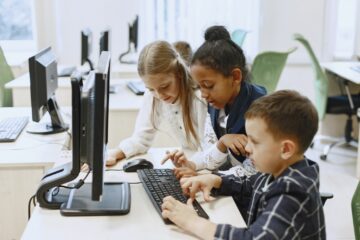
Basic computer proficiency courses are designed for individuals who have limited experience with technology. Participants will learn fundamental skills such as navigating the web, and using basic programs.
Understand what project-based learning is and how to use AI to develop project ideas, project results presentation, and visualization. Engage in practical project activities in and out of the classroom and take part in project activities that foster language, math, and data literacy as well as creativity, critical thunking, and social engagement.
Explore the potential of AI in Secondary education. Learned how to integrate AI and digital tools into lesson design, assessment, and feedback, promoting creativity, critical thinking, and digital competence while making learning more engaging, inclusive, and future-oriented.
Learn how to design a clear digital strategy aligned with European frameworks like DigCompOrg and DigCompEdu. Explore practical tools to evaluate technologies, involve your teams, and support both teaching and leadership.
Learn how AI can streamline your Flipped Classroom: create pre-class content, support diverse learners, and design interactive activities that enrich learning in class.
Gain practical skills to develop stress management strategies, create personalized plans, and integrate AI-based applications into your teaching routines, fostering a balanced, positive classroom environment.
Gain the ability to integrate AI tools into lessons and activities to enhance student engagement and learning outcomes. Boost self-confidence in using AI to support student learning and growth.
Learn how to effectively integrate AI tools into your teaching, enhancing students' language skills, creativity, and critical thinking. Gain the ability to personalize teaching and support students at different language levels.
Gain proficiency in classroom management systems, learning to effectively utilize Google Classroom and other platforms. Ensure both efficiency in teaching and create an enriching learning experience for students.
Gain foundational knowledge and skills in integrating ICT tools for language teaching. Explore various interactive platforms, fostering engaging language learning experiences.
Learn how to create a healthy learning environment where bullying and discrimination prevention will be taken care of. Get inspired on how to integrate ICT into class, practicing methodologies to understand prejudice and prevent conflicts.
Learn to use Canva confidently to design creative, accessible, and engaging teaching materials. Explore its features, including templates, translation tools, and AI functions.
Gain valuable tools and strategies to bring innovation, inclusion, and creativity into the classroom, developing new skills, forming lasting memories, and forging international friendships.
Recommended Audience: Humanities Teachers, School Librarians
ICT RequirementsBasic ICT
Language RequirementsIntermediate English (B1+)
Promote reading literature books through age-appropriate activities and pedagogical strategies to foster students’ engagement and motivation. Use digital tools to enrich literary activities based on the content of the books.
Learn how to integrate Large Language Models like DeepSeek and Claude into your teaching practices. Gain hands-on experience in AI-assisted assessment, prompt engineering, and differentiated instruction.
Learn to establish a framework of inclusive values and practices, both within a school and in collaboration between institutions, as a strategy to deal with diversity in an appropriate and sensitive manner.
Strengthen your ability to support vulnerable adult learners through practical digital coaching strategies. Learn how to apply accessible coaching techniques, integrate inclusive digital tools, and design learning experiences that enhance motivation, self-efficacy, and social reintegration.
Create supportive and inclusive digital environments where young people feel valued, safe, and confident to contribute. Recognize and address common barriers faced by marginalised and hard-to-reach young people.
Acquire basic skills in creating digital materials for online teaching and learning. Learn to create and edit documents in Microsoft Word and PowerPoint, record and edit videos, and realize small digital games.
Learn how to evaluate the credibility and quality of media products, besides becoming a responsible creator thereof and developing the ability to pass content on to students.