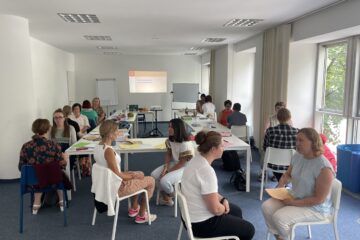
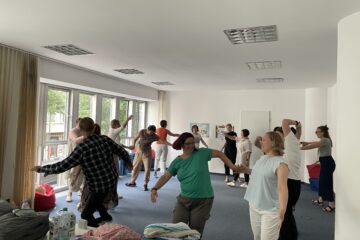
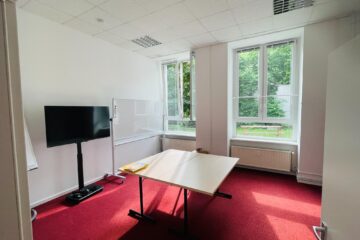
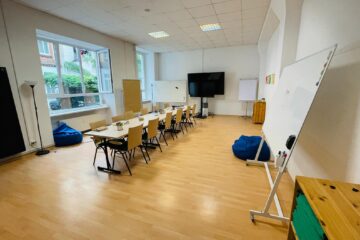
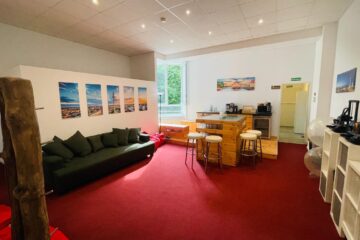
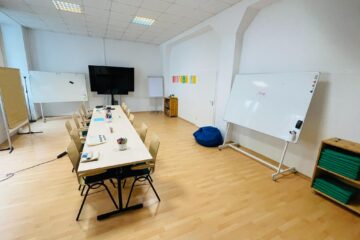
Please note that while these services apply to most courses, exceptions may occur. Even in locations where we have dedicated classrooms, we may occasionally need to rent external spaces nearby, and the availability of services may vary. Kids, pets, or guests within the school premises must be approved by email each time. Whether or not our premises are marked as wheelchair accessible, we kindly ask you to inform us in advance. If accessibility is an issue, we will arrange for an external classroom to accommodate your course. If you have any questions, please don't hesitate to reach out to us.
Our Cultural Activities
The following free-time activities are included in the price of our Erasmus courses in Germany:
Tour from Friedrichshain to Mitte (Monday afternoon – 2.5 Hours)
Step out of our Academy´s doors and straight into 800 years of history on the urban hike from Friedrichshain to the heart of Berlin. You will ride the U5 together with our guide to the rebuilt heart of the city, walking from the medieval charm of the Nikolai Quarter to the symbolic power of the Brandenburg Gate. On this occasion, you will get an introduction to the various layers of German history, with insider tips woven in along the way.
Trip to Potsdam’s Prussian Crown Jewels (on Saturday, 6 Hours)
Escape to the German Versailles built by Friedrich the Great! Our guide will walk with you in the footsteps of Prussian kings. You will marvel at the UNESCO-listed Sanssouci Palace, stroll through the beautiful Dutch Quarter, and see the city’s own miniature Brandenburg Gate. It’s going to be a day of baroque beauty and royal gardens.
Our Academy in Berlin
Legal notice
Europass Berlin Beratungsbüro, the company in charge of delivering courses in Berlin, is legally established in Germany and operates under accreditation by Europass Foundation.
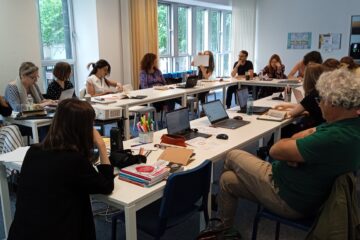
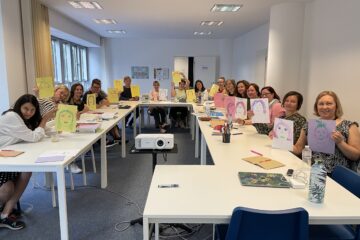
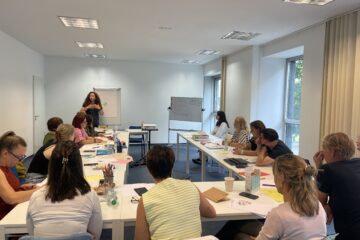
We are located in a modern and bright facility perfectly matching the colorful and lively Samariterviertel of Friedrichshain.
Here, historic and new buildings tell through their famous graffiti the unique story of one of the most unconventional and vibrant areas of the city.
All our teacher training courses in Berlin will take place either in the Morning (9.00-14.00) or in the Afternoon (14.00-19.00), depending on classroom and trainer availability.
The final schedule will be sent two weeks before the course begins. We recommend planning any cultural activities only after receiving it.
Photogallery
How to reach us
Berlin’s main airport is Berlin Brandenburg Airport (BER) and it is located southeast of the city center and the main international airport.
Explore Berlin as a case study for Cultural Heritage Education, aiming to seamlessly integrate it into school curricula. Enhance your visual and critical thinking skills through guided tours.
Gain insights into Berlin's divided history, including the impact of the Berlin Wall and the GDR. Learn how to incorporate this history into your teaching, using innovative methods, emphasizing democratic values and the prevention of totalitarian regimes.
Discover and explore the German dual system of education, a method that combines theory and practice in educational settings. Learn how to create your own action plan to provide students with a successful learning experience.
Explore the basic concepts of Artificial Intelligence in education to empower teachers to use basic AI tools, such as ChatGPT, to enhance teaching and learning. Learn how to use AI tools to decrease the workload.
Teaching the Humanities with AI: Innovation, Creativity, and Critical Thinking
Acquire an understanding of group dynamics by discovering how tensions, alliances, and relational struggle can interfere with learning. Learn to encourage active listening, empathy, and emotional literacy.
Teaching the Humanities with AI: Innovation, Creativity, and Critical Thinking
Work on your leadership strengths while also recognizing potential areas for growth and realistic solution strategies. Develop your professional role as leaders and identify with it.
Teaching the Humanities with AI: Innovation, Creativity, and Critical Thinking
Go beyond traditional leadership training by merging soft skills development with personalized coaching, strengthening essential skills such as communication, social skills, project management, and time management.
Teaching the Humanities with AI: Innovation, Creativity, and Critical Thinking
Develop an understanding of the positive impact of mindfulness practices on mood, communication, and stress levels. Discover a variety of practices to use for yourself and/or introduce to students.
Teaching the Humanities with AI: Innovation, Creativity, and Critical Thinking
Delve into the fundamental principles of 3D printing within the rich tapestry of the maker culture. Learn how to foster environmental sustainability in educational settings, promoting an awareness of concepts such as the culture of repair.
Teaching the Humanities with AI: Innovation, Creativity, and Critical Thinking
Discover how to blend AI tools with education to enhance soft skills among students. Gain practical AI tool insights and storytelling skills to transform your teaching and inspire students across all subjects, preparing them for a future intertwined with AI.
Teaching the Humanities with AI: Innovation, Creativity, and Critical Thinking
Understand the educational potential of AI chatbots, including how they work and how they can support teaching, learning, and classroom management. Create a prototype educational chatbot or activity, ready to be tested.
Teaching the Humanities with AI: Innovation, Creativity, and Critical Thinking
Recommended Audience: Administrative Staff, School Principals
ICT RequirementsBasic ICT
Language RequirementsIntermediate English (B1+)
Learn to use AI tools for communication, document and project management, scheduling, and translation, while also reflecting on ethical and responsible practices.
Teaching the Humanities with AI: Innovation, Creativity, and Critical Thinking
Acquire the knowledge, the know-how, and the confidence to insert the 4Cs skills into the curriculum and school environment. Learn to design practical activities using ICT resources, which are more efficient at developing the 4Cs in students.
Teaching the Humanities with AI: Innovation, Creativity, and Critical Thinking
Develop a full understanding of the flipped classroom strategy, a pedagogical model that reverses the mainstream lecture-and-homework structure of a course. Learn how to integrate this model into the classroom to promote active learning.
Teaching the Humanities with AI: Innovation, Creativity, and Critical Thinking
The course "Berlin's Museums: An Experiential Learning Path" was fascinating and stimulating for me. Besides getting to know the city, I had the pleasure of meeting and appreciating wonderful fellow teachers with whom I shared my work. Thank you for this… More wonderful opportunity.
Esperienza molto interessante e utilissima per conoscere i musei di Berlino e la storia della città. L’insegnante Barbara, gentilissima e preparatissima, sempre disponibile a rispondere con pazienza alle nostre domande, ci ha coinvolti da subito nelle attività del corso.… More Consiglio a tutti di frequentare questa scuola che si trova in un quartiere caratteristico della città e si raggiunge facilmente essendo situata a pochi metri dall’uscita della metropolitana.
È stata una settimana entusiasmante e diversa, rispetto ai corsi soliti.
Abbiamo sempre o quasi svolto attività all'aperto e nei musei. La nostra trainer è stata precisa, puntuale, attenta, accogliente.
Berlino è una città meravigliosa che ti entusiasma , offrendoti… More sempre possibilità di cose da fare.
Un ottimo partner per la formazione. Grande varietà di corsi.
Ho appena frequentato un loro corso a Berlino sulla didattica esperienziale nei musei berlinesi ed è stata una grande occasione di formazione e arricchimento culturale.
This training in Berlin was a wonderful experience.
Mel is an excellent trainer — always positive, clear, and supportive. She created a warm atmosphere where everyone felt comfortable to share and learn.
I enjoyed the activities, learned new skills, and met great people… More from different countries.
Thank you, Mel, for making this week so special!
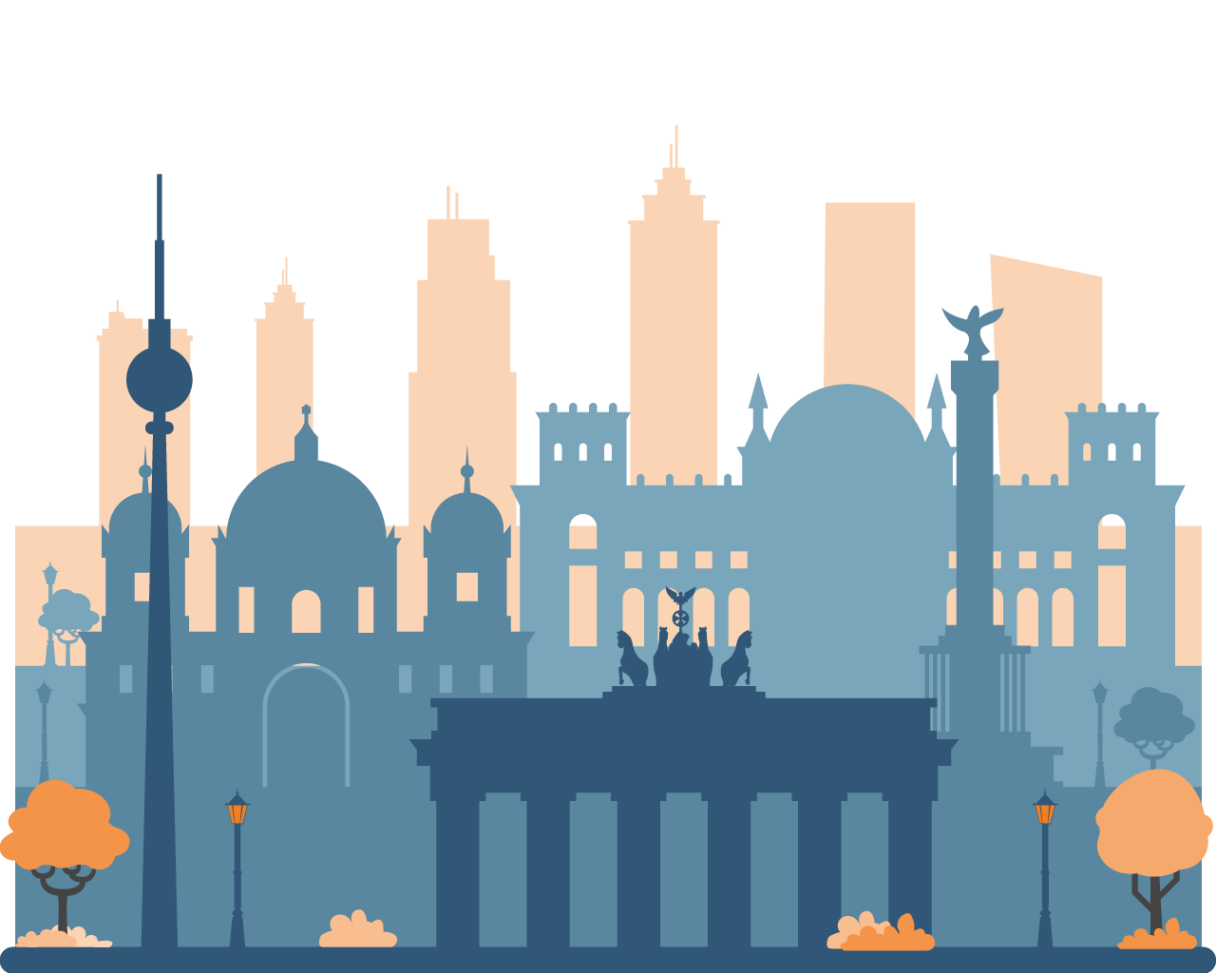
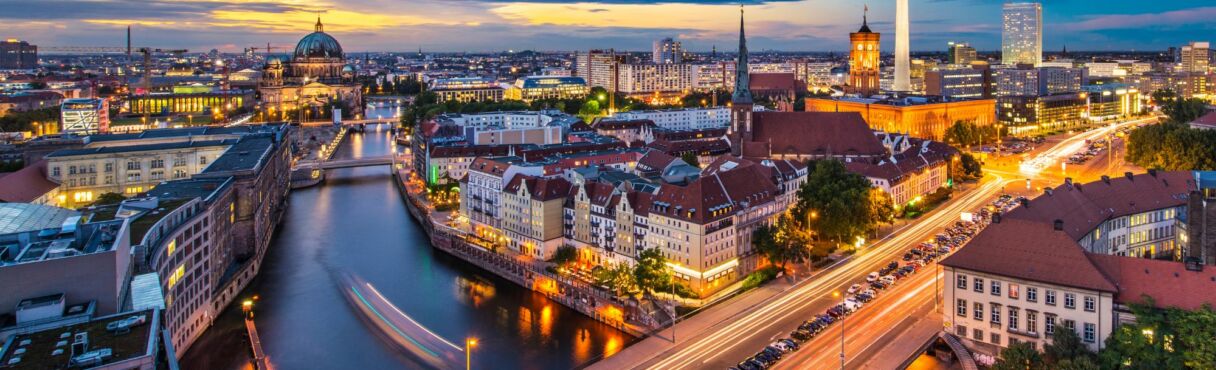
Berlin is the capital of Germany and it is situated in the North-East of the country. It is the city of art, artists, and museums, hosting over 170 museums in total. The sights Berlin has to offer, from the Brandenburg Gate to the Parliament, bear witness to the history of an entire nation. However, the history of the city also has a sad side, since it is heavily connected to the events of the post-Second World War period. Large parts of the city were indeed rebuilt after the World War II allied bombings. In 1945 Berlin was divided into four occupied zones and, from 1961 to 1989, was split up by the famous Berlin Wall into East and West Berlin.
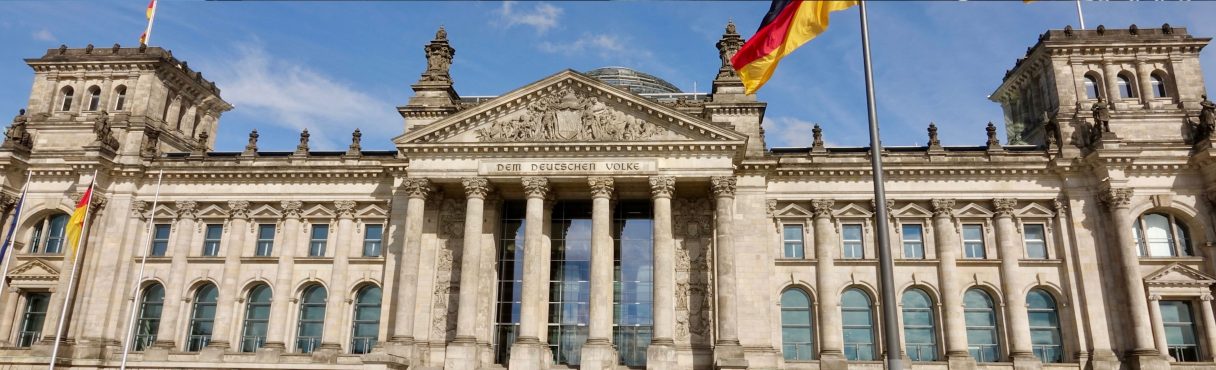
1) Parliament (Reichstag)
The German Parliament (Reichstag) is a historic building in Berlin, constructed to house the Imperial Diet of the German Empire. In 1933 it was severely damaged by a fire and after World War II the building fell into disuse. After the German Reunification in 1990, it underwent a reconstruction led by architect Norman Foster, and in 1999 it became again the meeting place of the German Parliament: the modern Bundestag. Tourists may also book a visit to the glass dome of the building, to enjoy a stunning view of the city.
2) Brandenburg Gate
Brandenburg Gate is Berlin’s most famous landmark and is located in the western part of the city center. It is an 18th-century neoclassical monument built on the orders of Prussian king Frederick William II and set the entry to Unter den Linden, a boulevard of Linden trees that leads to the Royal City Palace. Today, the Brandenburg Gate is considered not only a symbol of European and German history but also of European unity and peace.
3) Alexanderplatz/TV Tower
Alexanderplatz is the most visited area of Berlin since it is a popular starting point for tourists. The square, named after Tsar Alexander I, who visited the city in 1805, has many shops, cinemas, and restaurants, but its main attraction is the TV Tower. The TV Tower, built during the years of GDR, is now a symbol of Berlin, from which you can enjoy a stunning panoramic view of the city.
4) Museum Island
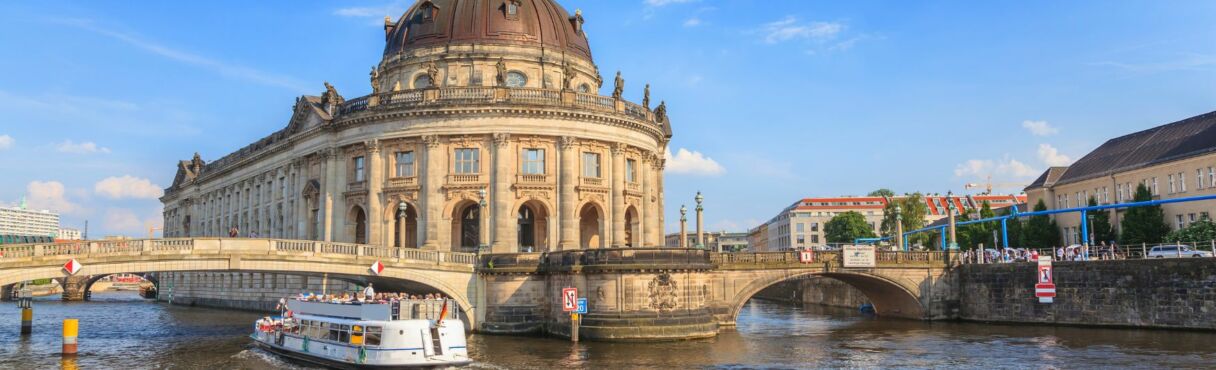
Museum Island is a museum ensemble on the northern part of Spree Island in the historic heart of Berlin. It was built from 1830 to 1930 by order of the Prussian Kings to make art publicly accessible. The Museum Island was named a UNESCO World Heritage Site in 1999 and consists of the Altes Museum, the Neues Museum, the Alte Nationalgalerie, the Bode-Museum, and the Pergamonmuseum. The Neues Museum hosts the Egyptian Collection and the most famous bust of the Egyptian Queen Nefertiti, who was considered the most beautiful woman in the world. In the Pergamon Museum visitors can admire the Babylonian Ishtar Gate and the Hellenistic Pergamon Altar.
5) East Side Gallery
The East Side Gallery is the largest and longest-lasting open-air gallery in the world, with its 1.3-kilometer-long painted stretch of the former Berlin Wall. The Gallery consists of 105 murals, painted in 1990 on the east side of the Berlin Wall by artists from all over the world. It is situated along the river Spree, at the former border between the lively neighborhoods of Kreuzberg and Friedrichshain.
6) Holocaust Memorial
The Memorial dedicated to the Murdered Jews of Europe is a memorial of the Jewish victims of the Holocaust designed by architect Peter Eisenman and engineer Buro Happold. It consists of 2711 rectangular concrete blocks and was inaugurated in 2005. The artist leaves every possible interpretation open to its visitors, although it is widely accepted that the blocks very strongly recall a cemetery.
7) Gendarmenmarkt
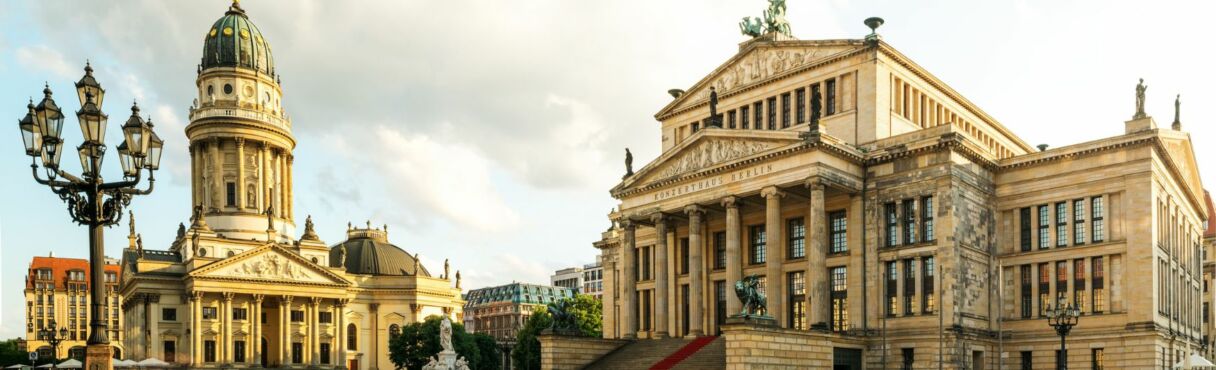
Gendarmenmarkt is one of the most beautiful squares in Berlin. It is best known for the architectural trio composed of the Berlin Concert Hall and the German and French Cathedrals. In the middle of the square, you will find the monumental statue of the poet Friedrich Schiller.
8) Berlin Cathedral
The Berlin Cathedral is a Lutheran church built from 1894 to 1905 by the order of German Emperor William II. The building combines the Renaissance and Baroque Revival styles and is the largest protestant church in Germany.
The Berlin Wall Memorial is situated at the historic site of Bernauer Strasse and commemorates the division of Berlin. It extends along 1.4 kilometers of the former border strip and is also home to a Documentation Centre.
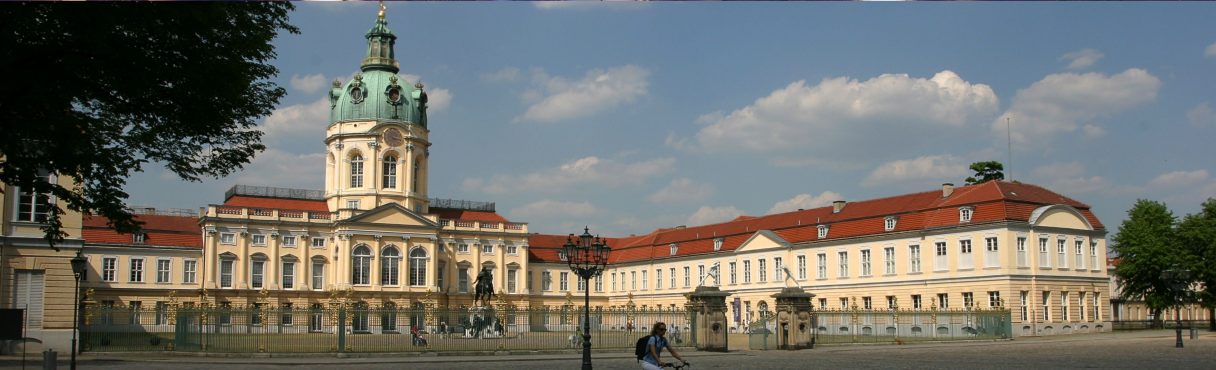
The Charlottenburg Palace is a Baroque palace, commissioned by Queen Sophie Charlotte, the wife of Friedrich I. It was built at the end of the 17th century and greatly expanded during the 18th century. Both the beautiful gardens and the palace in a French Baroque style attract visitors all year round.
Open to enrollments means the course is pending confirmation. You can register now to help confirm this session, but you will need to wait for our confirmation before booking flights and accommodation.
Fully Booked means this session has reached maximum capacity and is no longer accepting new enrollments.
Confirmed means this session has reached the minimum number of participants and is guaranteed. However, you will still need to wait for our confirmation before booking flights and accommodation.
 Please wait, we're loading the information about the courses. It could take few seconds.